
Fire and Emergency New Zealand Volunteer Campaign Art Direction and Design
Telling stories of ordinary people doing extraordinary things.


The prospect of having not enough volunteers in the force was incredibly daunting.
Client
Fire and Emergency New Zealand Volunteer Campaign Art Direction and Design
Project
Communications and Campaign Strategy
Location
Wellington, New Zealand
Year
2014
-
Role
Creative Director, Art Director
Agency
DNA Design
Category
Public Service – Emergency Services
Contributors
Ian Robertson – Photography
Ben Forman – Photography and Videography
Josh Burt – Client Lead
Jo Maguire – Artwork & retouching
Scott Newlands – Artwork and Retouching
Grenville Main – Oversight
The New Zealand Fire Service (now FENZ) faced a critical crossroads. They needed to bolster their volunteer numbers and build a more inclusive force. To understand the motivations behind volunteerism, we did a deep dive into the "why." What drives people to give up their time? The answers were varied, ranging from a deep sense of community responsibility ("If not me, who?") to the desire for camaraderie and belonging.
A significant hurdle was the public's perception that volunteering required a huge time commitment. We tackled this head-on by showcasing real volunteer stories. These stories demonstrated how volunteering seamlessly integrates into busy lives, dispelling the myth of overwhelming time demands.
Crafting a compelling campaign involved a two-pronged approach. First, we used visuals and narratives to depict the challenges NZFS faced without sufficient volunteers. This highlighted the "pain point" and its impact. Following this, we offered solutions. We emphasised that people could remain in their day jobs while volunteering on the side. We highlighted that the recruitment process was as easy as first turning up to a training night at your local station.
The campaign wasn't limited to national media placement. We knew impact was going to come when it was adopted locally. Crews became more proactive when discussing opportunities with members of the community after they saw they had tools they understood how to use.
Within about six months many stations reported their shortfalls were gone.
They also heard many stories about how people who had never thought of themselves as firefighters saw how it could improve their lives and be a way to give back to their communities.

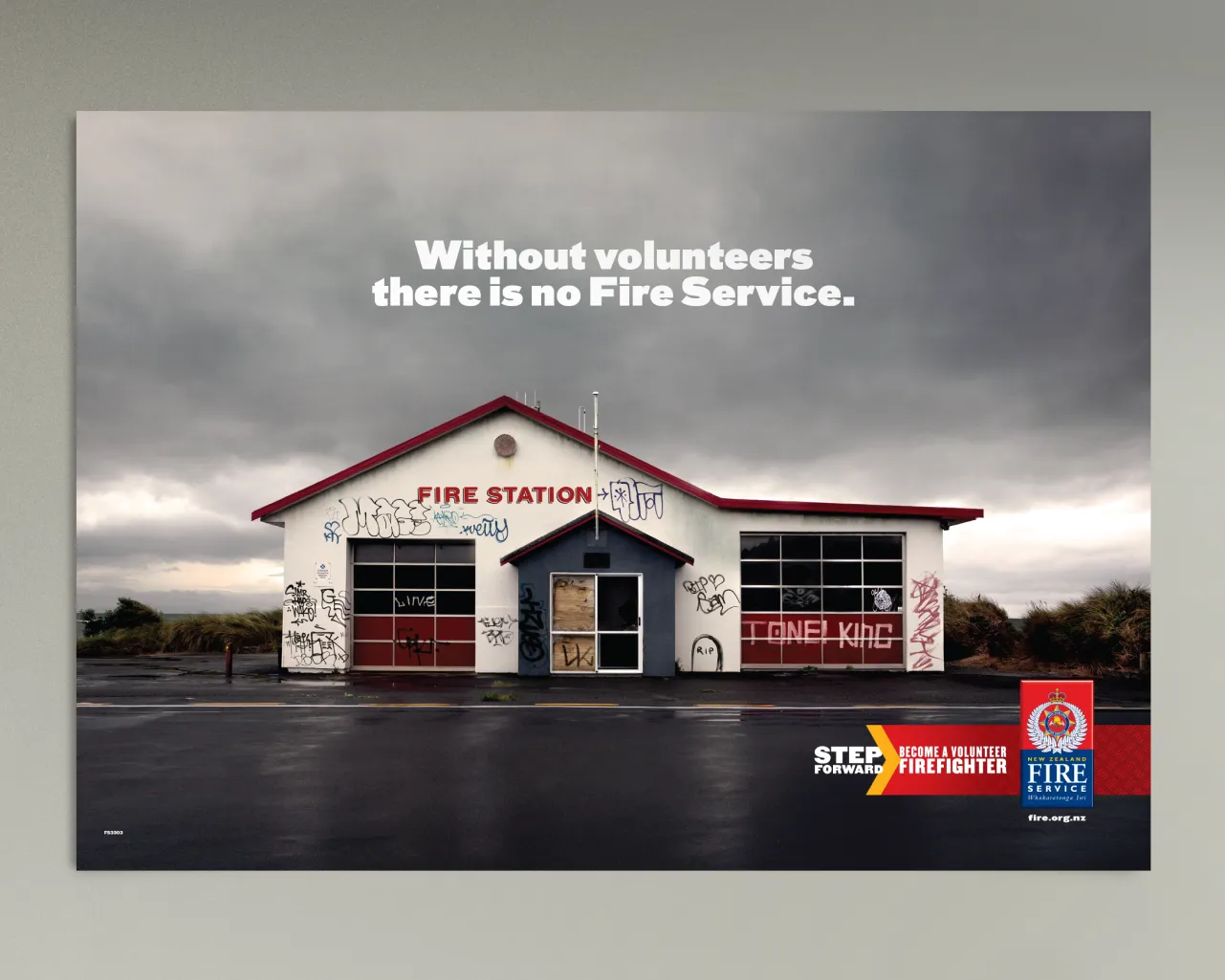

The first part of the campaign focused on how integral volunteer stations are in communities, and we wanted to pose the question what it would look like without them.


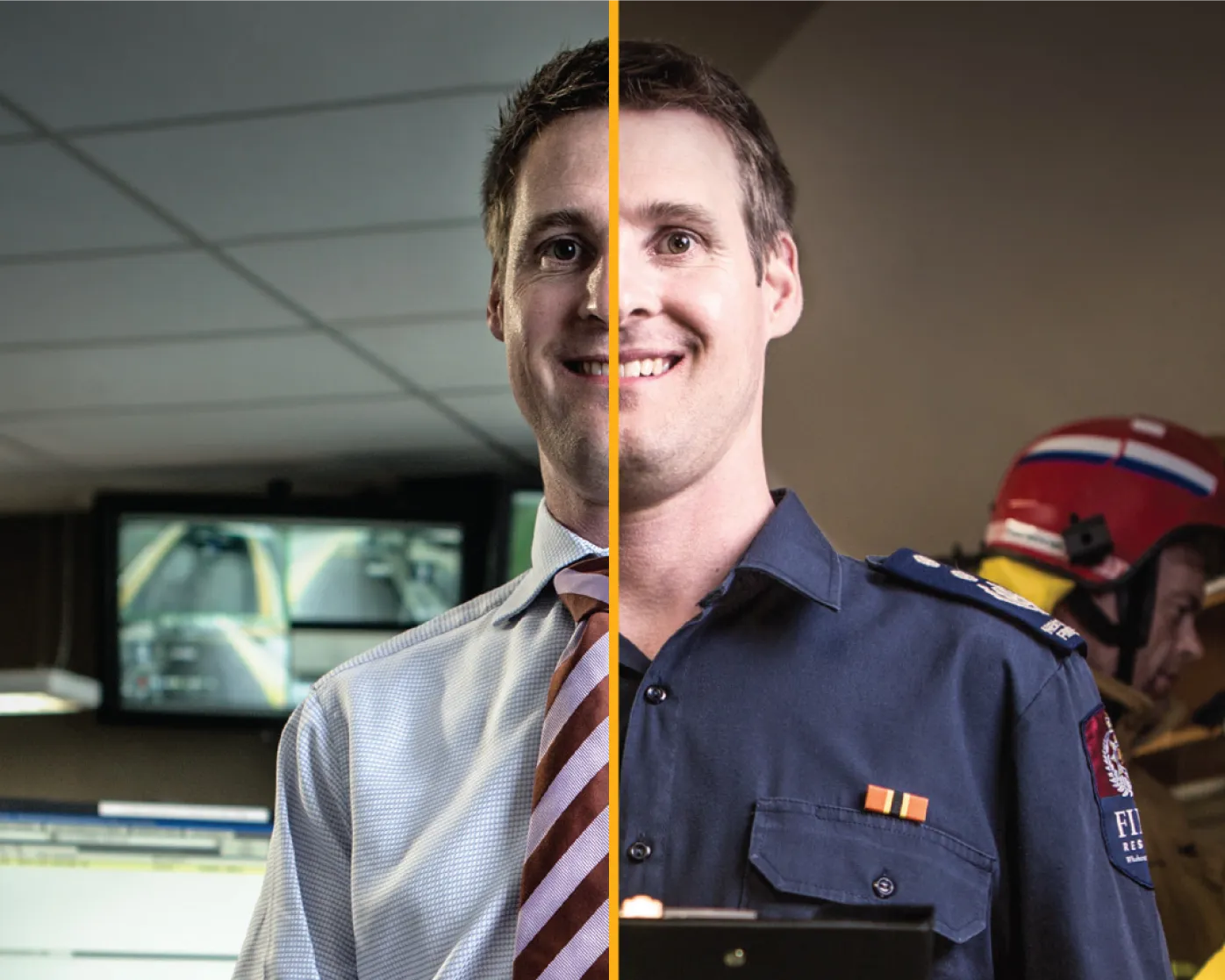


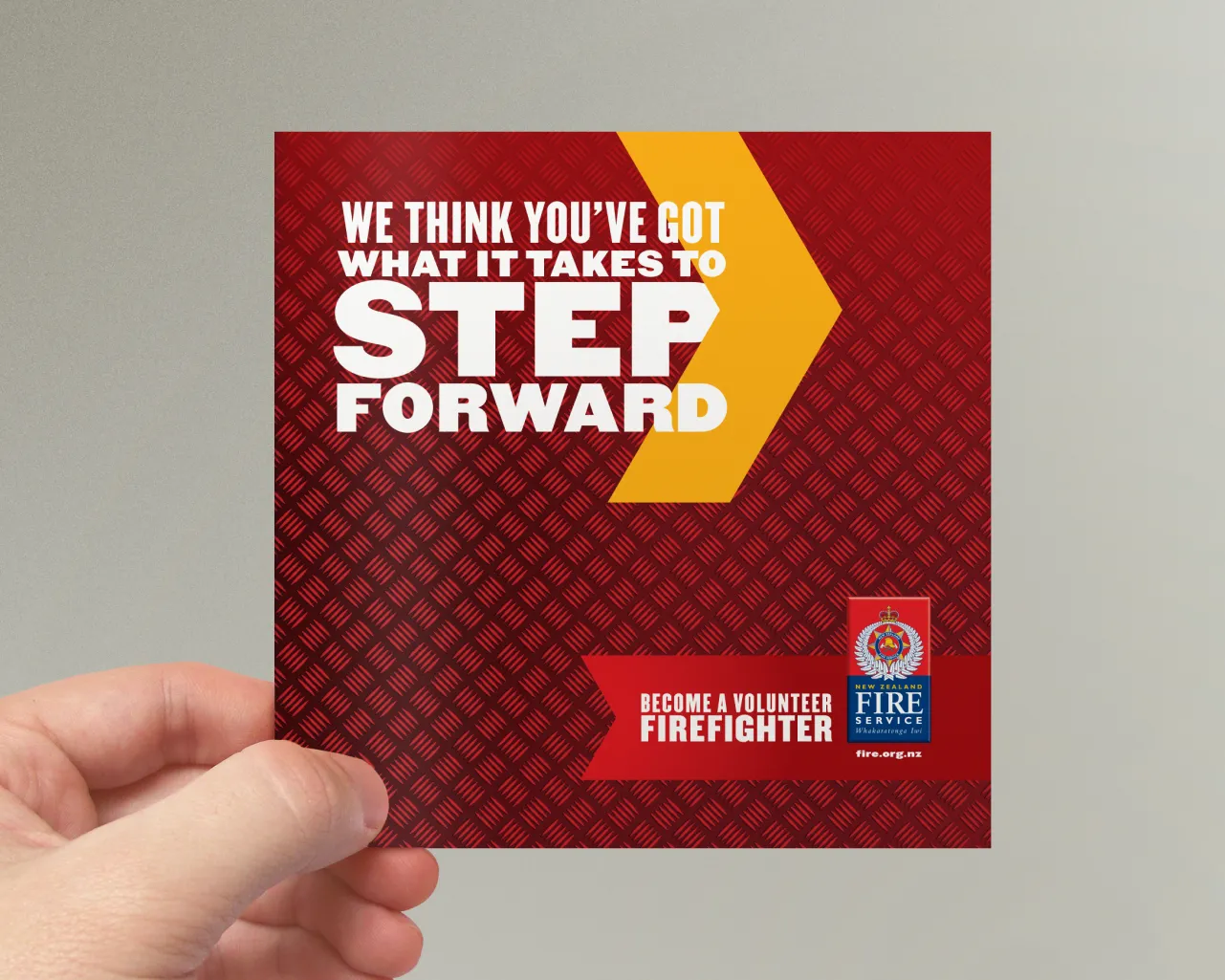


The second job was unearthing stories from all over the country that demonstrated how easily volunteering enhanced a sense of self and fitted with lifestyles.


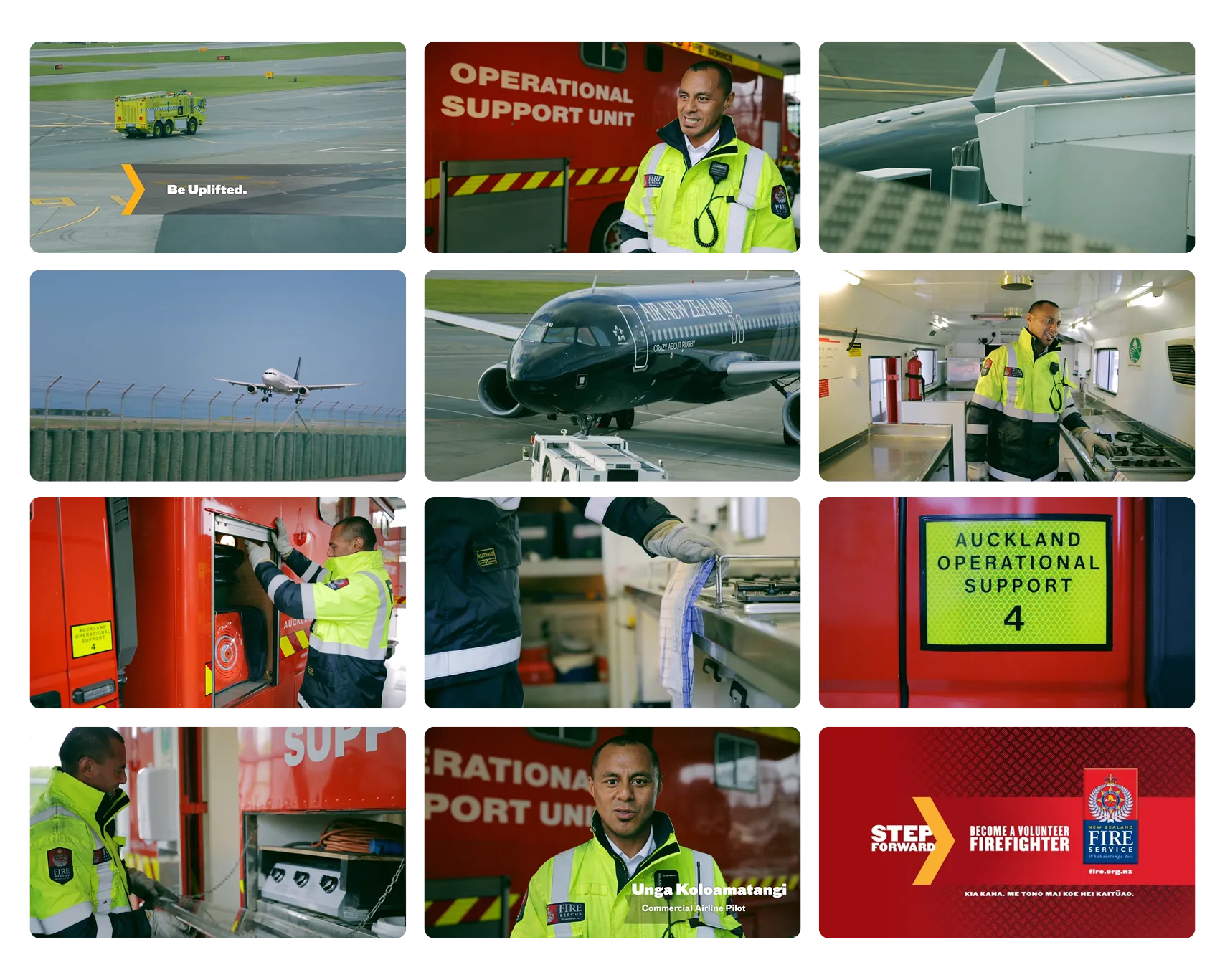
One of the biggest things that struck us in telling the individual stories was the passion behind them. How seemingly ordinary lives suddenly became extraordinary.